ローディング...
レコードプレーヤー
👁
_
♪ ローディング...
00:00 / 00:00
音量
Ready

世界のあいだで踊る

もう一度文化を探す

インドネシアの文化から距離のある環境で育った一人の学生が描く、インドネシアの遺産。 パフォーマンス文化が学びとなり、〈自己〉が物語であり、同時に語られる存在となる場所へようこそ。

task icon

トラディショナル・タスク

言語学習の基礎

task icon

マイ語のひつじ

文化を探るゲーム

task icon

ワヤン・タスク

影絵芝居による物語表現

task icon

ボイスメール

語りとしての音声メッセージ

task icon

バザール

市場でのやりとり

task icon

LSPタスク

目的別言語学習

task icon

アイデンティティ・オークション

変容の代償

こんにちは。ムグニです。 ようこそ……私の「舞台」へ。 この場所は、研究とパフォーマンスが出会う、少し風変わりな実験空間です。 学術的な問いがあり、文化があり、そして学びがあります。 私は、自分の文化から距離を置いて育ってきました。 異国の地で、自分の文化を語ろうとするとき。 「本物らしさ」と「創造すること」のあいだで、心が揺れる瞬間があります。 この舞台は、その揺れそのものを探る試みです。 言語学習は、単語を覚えるだけのものではありません。 挑戦され、戸惑い、問い直されるなかで、 私は自分自身の文化を学び直しました。 言語の社会文化理論を扱う研究会に参加し、 考え、作り、試しながら、 (たぶん)少し面白い教育プロジェクトたちが生まれました。 そして、そのすべてが集まってできたのが、 この「文化に媒介された」オンライン学習空間です。

ここにあるタスクやゲーム、物語の断片は、 理論が動き、息づいている瞬間です。 ゲームベース学習。社会文化理論。 でも、これは「教える/学ぶ」だけの場所ではありません。 私たちは、話す言語と、身にまとう文化を通して、 少しずつ「自分」になっていく。 この舞台は、その過程を体験するための場所です。 どうぞ、自由に歩き回ってください。 迷っても構いません。 ここでは、それも学びの一部なのです。

Manifesto🎭

文化は、生きていて、創造的で、そして「私たちのもの」であるべきだ

だが、文化は決して単純ではない。 これまでも、そしてこれからも。 文化は、芸術に宿り、歌に宿り、踊りに宿る。 舞台の上だけでなく、日常の言葉づかいの中にある。 敬意の示し方、異議の唱え方、誰かを慰めるときの選択。 訛り、ユーモア、身ぶり、言葉にならない暗黙の了解。 きれいに翻訳できないものの中に、文化は生きている。 文化は混沌としていて、変化し続け、 そして一人ひとりの経験と深く結びついている。 磨き上げられていなくてもいい。 万人に理解されなくてもいい。 それでも、確かに「本物」なのだ

しかし現在、文化はしばしば「表面的なもの」として消費されている。 真正性が失われているように感じられるのは、 文化が消えたからではない。 多くの人が、文化から距離を置いて育ってきたからだ。 同じ文化の中にいても、 自分の伝統がわからない。 何が受け継がれ、何が薄まったのかがわからない。 深い知を持つ人でさえ、こう問い続ける。 「守れるのか?」 「本当に理解できるのか?」 「すでに変化したものを、学び直し、再び生み出せるのか?」 だが、その不確かさは文化を弱くしない。 むしろ、文化がいかに繊細で、複雑であるかを示している。 文化は、不完全であることを恐れず、 楽しんでよいものなのだ。

このプロジェクトは、その「不完全さ」に挑む。
「文化は教えられない」という主張に、あえて異を唱える。 その理由が理解できるからこそ、問い直す。 もし、文化を言語教育を通して捉え直したら、 何が起こるのだろうか?

「そもそも、文化に意味はあるのか?」 そう問う人へ。 想像してほしい。 文化は、懐かしさのための遺産ではない。 思考のしかたを形づくり、 世界の読み取り方を変え、 他者とつながる方法を教える。

文化は力だ。 創造性を生み、地域の革新を支え、 観光を動かし、 世界が真似できない価値をコミュニティにもたらす。 資本主義社会は文化によって豊かになり、 文化もまた、この社会の中で生き続けられる。

文化は、学びである。 生きられた現実に根ざした学びだ。 言語を教えることは、文化を教えること。 言語を学ぶことは、 その言語を生きる人々の文化を学ぶこと。 私たちは、世界に向けて、 そして自分たち自身に向けて、 自分たちの文化を学び直すべきなのだ。

文化は、知的である。 文脈を読む力、直感、共感、適応力を鍛える。 見えないものに気づく力を育てる。 文化タスクに基づく言語教育が、 子どもたちや学生の認知的・メタ認知的発達に どれほどの可能性をもたらすか、想像してほしい。

文化は、人間をより人間らしくする。 それこそが、重要なのだ。

だから、「なぜ、わざわざ文化なのか?」と聞かれたら、 私の答えはシンプルだ。 文化を担う人々と同じくらい、 大胆で、独自で、人間的なものとして、 文化を生き直すため。 個人のために。 コミュニティのために。 そして、私たちが生き、学ぶ、そのあり方のために。

確かめる方法は、ひとつしかない。

文化は、人間である。

Cast & Setting

The Researcher

Protagonist & Guide

Navigating the interstitial spaces between Indonesian heritage and Japanese learning, I am both observer and participant in this autoethnographic performance.

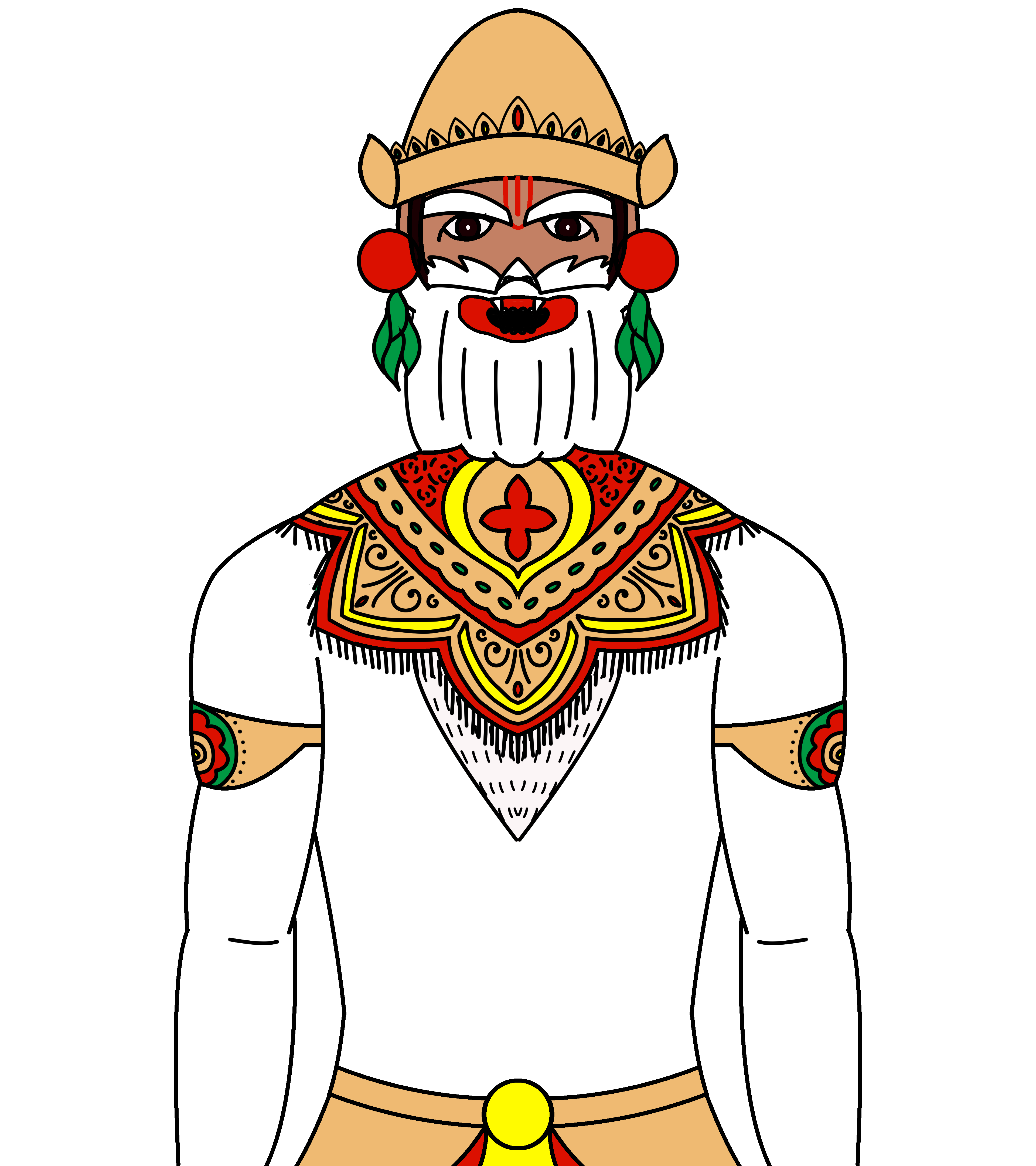
Professor Petak Wenara

The Trickster Mentor

A wise and playful guide who challenges conventional wisdom. Through games and riddles, Professor Petak reveals deeper truths about language and culture.

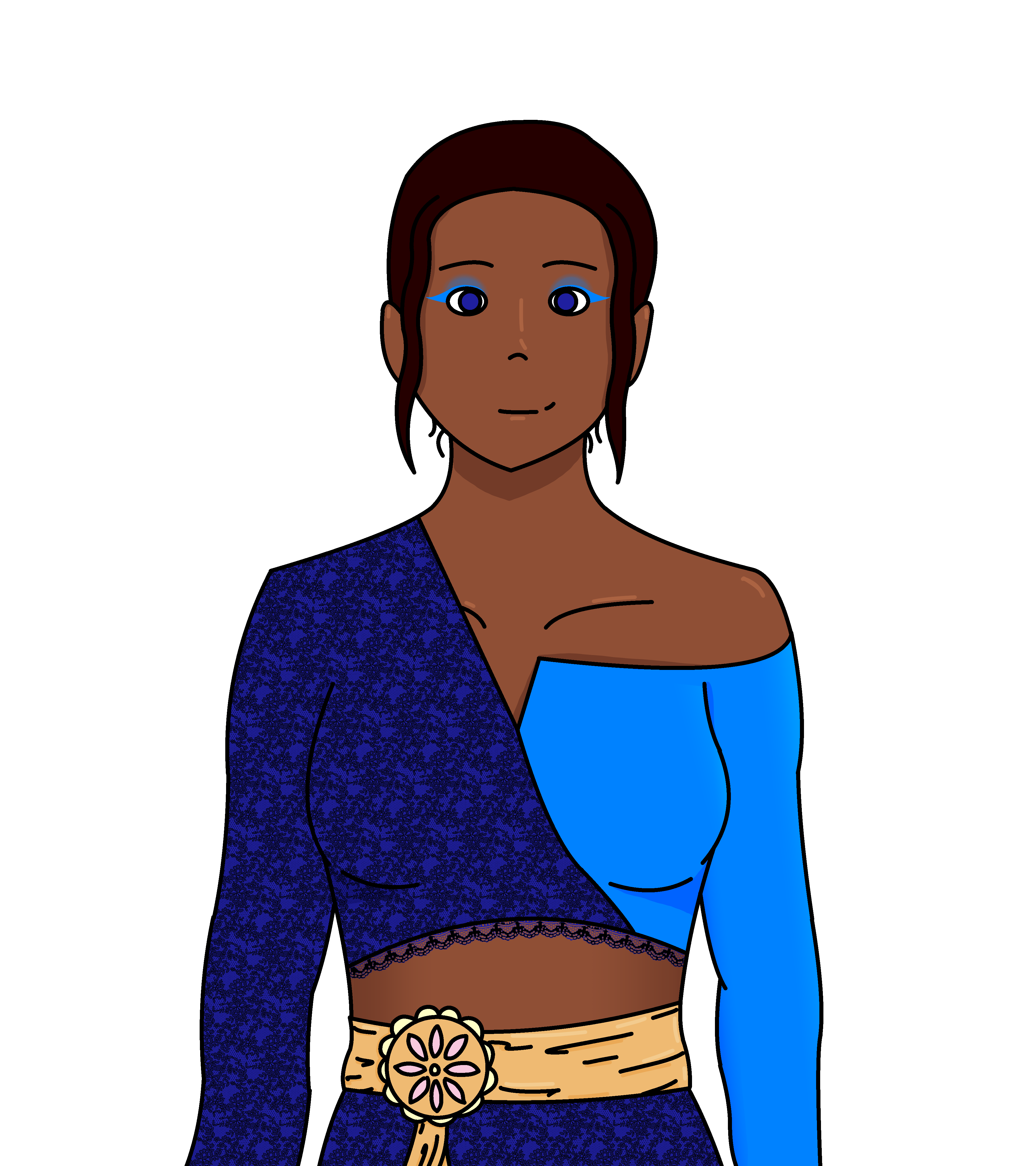
Gardenia

Indonesian Senpai

The bridge between worlds. Gardenia embodies cultural fluency, offering guidance through the complexities of cross-cultural communication and identity.

他人 (Tanin)

The Others

Various characters who appear throughout the journey, each contributing their own perspective to the narrative of cultural learning and exchange.

Research Framework

The Research Questions

- How does an international student express their culture in a foreign academic environment?


- What tensions arise between authenticity (reproducing tradition) and creativity (reinterpreting it)?


- How can performance and playable storytelling reveal cultural understanding?


- How can an interactive platform (visual novel + website) facilitate collaborative meaning-making?.


Why Connect It to Language Teaching & Learning?

A part of the Language Teaching & learning theory is that it is ecological, sociocultural approach that views language acquisition as inseparable from cultural arts, cultural identity and cultural performance. All of these can be explored when learning and teaching a language, and researching on the field. Here, I made a satement that explains my manifesto in a more declarative and organized format.

Theoretical Foundations

Games-Based Learning
Multimedia Theory
Visual Thinking Strategies
Community-Based Learning
LSP Theory
Identity Theory
Sociocultural Theory
Ecological Environment Theory
Values Realizing Theory
Cultural Theory

Methodology

What is Autoethnography?

Autoethnography is a qualitative research method that combines elements of autobiography (writing about personal experience) and ethnography (studying cultural and social phenomena). The researcher uses their own lived experiences as the primary data to explore and interpret broader social, cultural, or political contexts.


In autoethnography, the researcher is not a detached observer — rather, they are the subject. Their personal voice, memories, emotions, relationships, and reflections become both data and analytical material.


I use autoethnography in this project because my own lived experience is directly connected to the themes I aim to explore. As an Indonesian student living in Japan, the cultural tensions, questions of authenticity, negotiations of identity, and shifting perspectives I encounter are not only personal events but reflections of broader social, historical, and political forces in Southeast Asia. By presenting these experiences through a visual novel, I allow the audience to engage with my narrative not only as readers but as participants who move through scenes, choices, and emotions that shape the story. This interactive format mirrors the way identity and migration are actually lived—moment by moment, uncertain, and deeply contextual. In this way, the project becomes both research and experience, aligning with ISAN 2026’s emphasis on narrative, reflexivity, and creative forms of scholarly inquiry. Through this approach, personal narrative becomes a method of understanding how individual lives are shaped by larger cultural structures, while also offering a new, multimodal form of autoethnography.

Digital Design Space: Choice of Website and Visual Novel

Using autoethnography and creative design-based research, I built a digital environment that combines a visual novel, an interactive website, and theatre-based design. Rather than simply reporting on my experiences, I chose to stage them—transforming my cultural journey into a form that others can step into, play with, and reflect upon.


I chose theatre because Indonesian cultural performance—such as traditional dance, wayang, and ritual gestures—already operates as a kind of living stage where values like sopan santun are enacted through movement, tone, and narrative conflict. Theatre allowed me to reconstruct the feeling of performing my culture in Japan, where “authenticity” and “creation” pulled me in different directions.


I chose the visual novel format because it mirrors the way cultural learning actually happens: through dialogue, interpretation, and participation. It is narrative-driven, interactive, and allows players to move between story, cultural tasks, and reflection. Combined with the website, it becomes a digital learning space where performance, narrative, and cultural inquiry intersect.


Expected Results

What is this contributing to?

Through engaging with this digitally designed space, participants are expected to deepen their understanding of how cultural identity is performed, negotiated, and re-created in intercultural contexts. By following my autoethnographic narrative—as an Indonesian student learning to express culture in Japan—players encounter the tension between authenticity and creativity that emerges when presenting one’s heritage abroad. The interactive tasks, including language-based activities rooted in concepts such as sopan santun, demonstrate how cultural values appear not only through artifacts but also through linguistic choices, gestures, and social interaction. Meanwhile, the website’s collaborative features encourage participants to co-construct meaning with others, reflecting on their own assumptions about culture and communication. Through this blended format of visual novel, theatre-inspired staging, and design-based research, the project illustrates culture as an ongoing process rather than fixed content, inviting audiences to reconsider how culture is learned, embodied, interpreted, and creatively transformed.


The Archived Culture Room

Indonesian Dance Motifs

Props I Built

Cultural Meanings

Explorations of symbolism, ritual, and the layered significance of cultural practices.

Word Lists

Curated vocabularies that bridge Indonesian and Japanese linguistic worlds.

Lost Collection

Fragments of the journey. Artifacts that didn't quite fit elsewhere. The overlooked, the forgotten, the in-between.

Item 1
Item 2
Item 3
Item 4

Reflection Mural

A collaborative space for thoughts, reflections, and discoveries. Share your insights, questions, and experiences as we journey together through the intersections of language, culture, and identity.

Voicemail

*Beep* You've reached the cultural intersection hotline. Listen to dispatches from the journey between worlds...

Received Messages

Here are some cool past messages I have received! (if you'd like yours removed, leave me a voice message!)
if you want to send me a voice message, please do so here!

Date
Message
Sunday, December 29 3:23 AM
Sunday, December 29 3:56 AM
Sunday, December 29 4:27 AM
Thursday, January 2 9:34 AM

Credits

As an international student from Indonesia, I experienced both the challenge of recreating my culture and the joy of creative expression when performing traditional dance in Japan. This moment revealed for me a deeper dilemma: in a foreign country, how does one express a culture in a way that feels authentic, while still allowing room for creativity? This project is an attempt to explore that tension.


The result is a playable research story—a hybrid of narrative, task-based learning, and cultural performance. As players move between the game and the website, they engage with Indonesian cultural concepts, respond to prompts, and reflect on their interpretations, echoing my own process of relearning, reconstructing, and performing my identity abroad.


Through this project, I explore how culture can be taught, performed, and reimagined inside a digital space—and how an Indonesian student living in Japan continues the search for “home” in the space between authenticity and imagination.

Resources

From mid-July 2025 until December 2025, this project was directed and coded all by Mughni, with occasional codefixing using Claude.AI. It is published as a website on Neocities. The visual novel game is directed and coded by Mughni, and embedded in the Neocities' website. The design of the characters in the novel are made with the help of AI. The symbols are downloaded from Melon's website. Padlet was also used as part of a greater task of the project. Music are all credited to the artists and displayed on YouTube.

Academic References

Here, list all the theories + what learned from the seminar.

Acknowledgements (DRAFT)

This project was created as part of the ISAN 2026 Symposium and the final design space project of the Trace Seminar at Keio SFC. This project is planned to be used in the Maigo Faculty of Keio SFC, as well as being of use through the Embassy of Indonesia in Japan.


I would like to express my deepest gratitude to everyone who supported its development. まず、日頃からご指導くださる先生方に心より感謝申し上げます。研究の方向性や表現方法について丁寧にアドバイスをいただき、本プロジェクトを形にするための大きな支えとなりました。


My sincere thanks also go to my classmates and friends, who offered thoughtful feedback, encouragement, and inspiration throughout the process. Their perspectives helped me refine both the concept and the storytelling elements of this work I am especially grateful to the various communities—Indonesian and Japanese—who continue to shape my understanding of culture, identity, and expression. Performing Indonesian traditional dance in Japan taught me both the difficulty of recreating culture and the joy of expressing it. That experience became the core of this project.


Lastly, thank you to everyone who views, interacts with, and reflects on this project. Your engagement gives meaning to the work and motivates me to keep creating. 本当にありがとうございました。.